

 AS WE ALL KNOW from popular TV shows like "CSI," DNA evidence can be the difference between guilt and innocence in any sex crime prosecution. In Michigan, the basic sex crimes that involve some form of sexual penetration or sexual contact are broken down into 4 "degrees": First Degree Criminal Sexual Conduct, MCL 750.520b ("CSC"), Second Degree Criminal Sexual Conduct, MCL 750.520c, Third Degree Criminal Sexual Conduct, MCL 750.520d, and Fourth Degree Criminal Sexual Conduct, MCL 750.520e. The word "rape" is a term hardly ever used anymore in Michigan's modern sex crimes laws (one exception being the Michigan Rape Shield Law, MCL 750.520j). The Michigan Criminal Sexual Conduct laws are broad enough to cover much more than what is typically referred to as "rape." In this article, Michigan Sex Crimes Defense Attorney Brian J. Prain uncovers the basics that those who are accused of Criminal Sexual Conduct need to know about DNA evidence. Each individual case involves unique issues, and if you are facing CSC charges in Michigan, you should call our office immediately for answers that are specific to your case.
 Is DNA evidence taken in every CSC case?
No. Assuming that the alleged victim consents, or a Search Warrant is authorized, police can attempt to collect DNA evidence. However, there are some situations where there is obviously no likelihood that DNA evidence will exist. For example, imagine the case of a woman who claims that her doctor inappropriately touched her breast during an examination. The alleged inappropriate touching happened over a year ago. The doctor is charged with Criminal Sexual Conduct in the 4th Degree. He denies ever touching her breast. If her accusation were true, there may have been a time when skin cells containing the doctor's DNA were present on her breast or on her clothing. But it doesn't take a scientist to figure out that after even a day of normal bathing or laundering the clothing, any chance of the presence of his DNA is virtually nonexistent. In cases like this, we do not expect that there will be DNA evidence. On the other hand, in the case of a woman who alleges that a man forcibly raped her and ejaculated inside of her the previous night, and she has not bathed yet, we would expect a full "rape kit" to be performed at a hospital. We will explain below what a "rape kit" means. In short, DNA evidence may be taken in cases where we might reasonably expect that DNA was transferred to the body of the accuser, clothing, or another object, and that it would still be present.What types of body parts or body fluids can leave DNA evidence?
Every cell in the human body has a nucleus which contains the entire DNA profile of a human being, with the exception of "gametes," which are reproductive cells. DNA evidence in a CSC case can be obtained from semen, blood, sweat, saliva, skin cells, vaginal fluid, and even urine. The strength of the DNA profile and how well it will hold up in court is better for some substances than others because of the different testing methods.What are some examples of circumstances where DNA evidence has been found?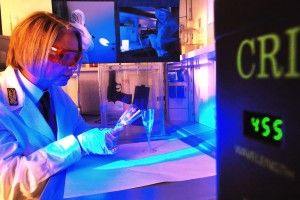
Anytime a person touches an object or another person, there is a potential for the transfer of cells containing DNA. Here are some circumstances that could lead to Criminal Sexual Conduct charges that are likely candidates for leaving DNA evidence (some of these may surprise you): - sexual penetration without a condom and with ejaculation
- sexual penetration without a condom and without ejaculation
- digital penetration, depending on the circumstances
- oral sex (leaving saliva on or around the genitals of the alleged victim)
- placing one's mouth on any part of the alleged victim's body
- placing one's mouth on the alleged victim's clothing (transferring saliva in the same way)